The Structure and Function of Joints Related to the Ankle Joint
From an anatomical perspective, the ankle is primarily composed of a single major joint known as the talocrural joint. However, to fully understand the overall function of the ankle, it is essential to also consider the joints formed between the tibia and fibula. The structural stability of the ankle joint is significantly reinforced and maintained by the proximal and distal tibiofibular joints, as well as the interosseous membrane connecting the tibia and fibula.
Due to the close functional relationship of these anatomical structures, the proximal and distal tibiofibular joints must be regarded as essential components when examining the overall function of the ankle.
Due to the close functional relationship of these anatomical structures, the proximal and distal tibiofibular joints must be regarded as essential components when examining the overall function of the ankle.
Proximal Tibiofibular Joint
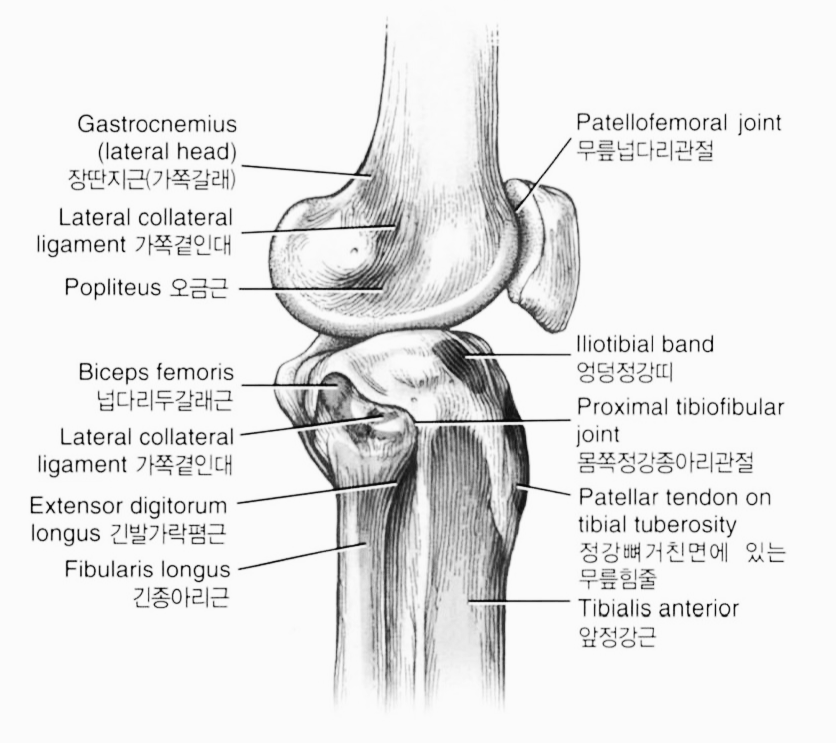
The proximal tibiofibular joint is a specialized synovial joint located on the lateral aspect just below the knee joint.
Specifically, this joint is formed between the head of the fibula and the posterior-lateral surface of the lateral condyle of the tibia. The articular surfaces are generally flat or slightly oval-shaped and are entirely covered with smooth articular cartilage. The structural stability of this joint is ensured by a joint capsule that is reinforced by strong anterior and posterior ligaments.
Additionally, the robust tendon of the popliteus muscle traverses the posterior aspect of the joint, providing extra stability. This stability is particularly critical because various forces generated by the knee’s collateral ligaments and the biceps femoris muscle must be effectively transmitted from the fibula to the tibia. As a result, only a very limited amount of gliding movement is permitted in this joint.
Specifically, this joint is formed between the head of the fibula and the posterior-lateral surface of the lateral condyle of the tibia. The articular surfaces are generally flat or slightly oval-shaped and are entirely covered with smooth articular cartilage. The structural stability of this joint is ensured by a joint capsule that is reinforced by strong anterior and posterior ligaments.
Additionally, the robust tendon of the popliteus muscle traverses the posterior aspect of the joint, providing extra stability. This stability is particularly critical because various forces generated by the knee’s collateral ligaments and the biceps femoris muscle must be effectively transmitted from the fibula to the tibia. As a result, only a very limited amount of gliding movement is permitted in this joint.
Distal Tibiofibular Joint
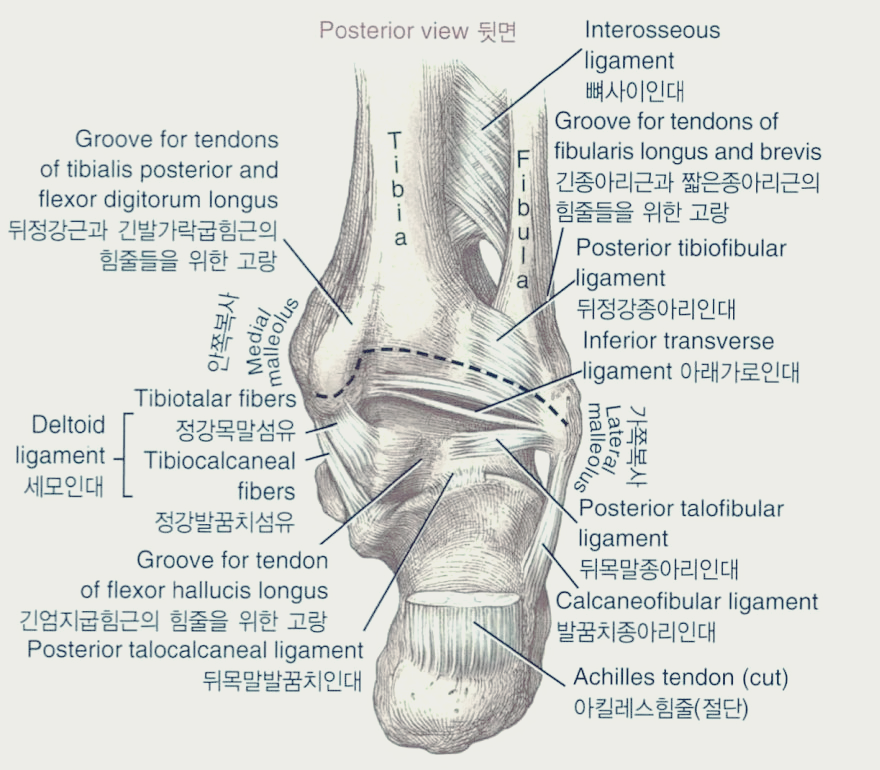
The distal tibiofibular joint is anatomically formed between the medial surface of the distal fibula and a specific concave structure on the tibia known as the fibular notch.
From an anatomical classification standpoint, this joint is of particular significance. Many anatomists classify it as a syndesmosis, a type of fibrous synarthrodial joint, in which the bones are tightly connected by the interosseous membrane. Due to this structural characteristic, very limited movement is allowed between the distal tibia and fibula.
One noteworthy feature is the interosseous ligament, which provides the strongest binding force between the distal ends of the tibia and fibula. This ligament can be understood as a natural extension of the broad interosseous membrane that spans the length between the tibia and fibula.
Further reinforcement is provided by the anterior tibiofibular ligament and the posterior (distal) tibiofibular ligament, both of which significantly enhance the stability of the distal tibiofibular joint. This robust and stable connection between the distal tibia and fibula is an indispensable factor for maintaining the overall stability and proper function of the overlying talocrural joint.
From an anatomical classification standpoint, this joint is of particular significance. Many anatomists classify it as a syndesmosis, a type of fibrous synarthrodial joint, in which the bones are tightly connected by the interosseous membrane. Due to this structural characteristic, very limited movement is allowed between the distal tibia and fibula.
One noteworthy feature is the interosseous ligament, which provides the strongest binding force between the distal ends of the tibia and fibula. This ligament can be understood as a natural extension of the broad interosseous membrane that spans the length between the tibia and fibula.
Further reinforcement is provided by the anterior tibiofibular ligament and the posterior (distal) tibiofibular ligament, both of which significantly enhance the stability of the distal tibiofibular joint. This robust and stable connection between the distal tibia and fibula is an indispensable factor for maintaining the overall stability and proper function of the overlying talocrural joint.